
Aperçus du secteur
EV Charger and Storage Buyers Are Coordinating Contactors, Relays and Fuses Earlier
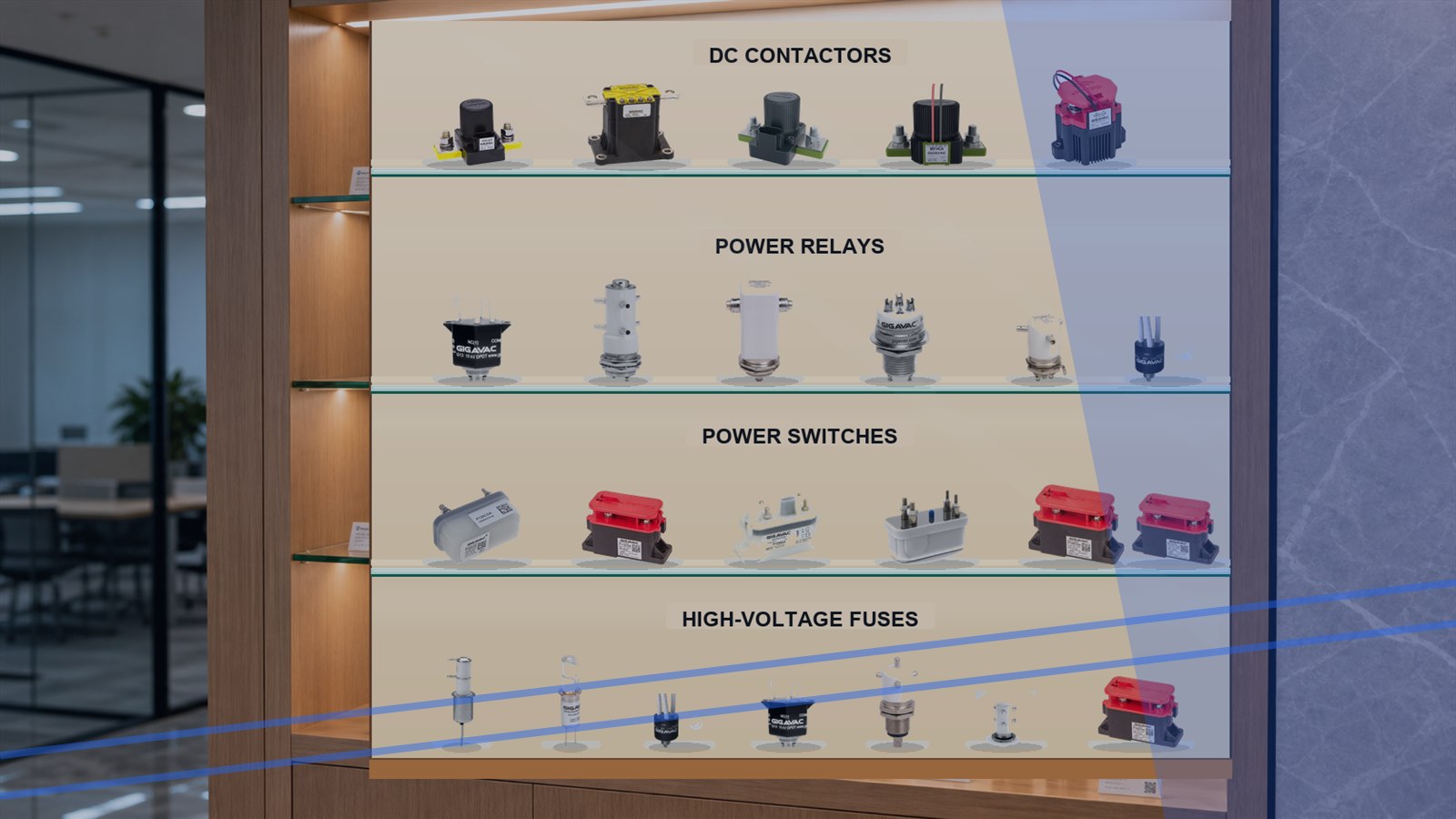
EV charging and energy storage procurement teams are coordinating DC contactor, high-voltage relay and fuse sourcing earlier to reduce RFQ delays.
EV charging and energy storage projects are becoming more disciplined about high-voltage component sourcing. Buyers who once requested one DC contactor or one high-voltage fuse at a time are now grouping related parts earlier in the RFQ stage. The reason is practical: a charger cabinet, battery rack, test platform or industrial DC power panel may depend on contactors, power relays, battery disconnect switches and fuse protection being reviewed together before purchasing starts.
This shift does not mean every part is interchangeable or that one supplier can approve an electrical design on behalf of the buyer. It means procurement teams are trying to reduce late surprises. When a quotation request includes application background, target quantity, voltage class, current needs, coil voltage expectations and protection requirements, the sourcing review can move faster and stay closer to the project bill of materials.
Why multi-part RFQs are becoming more common
EV charger and storage projects often include several high-voltage switching and protection roles. A DC contactor may be used for load switching or pack isolation, while a high-voltage relay may support control, test or signal-level high-voltage circuits. A high-voltage fuse or battery disconnect switch may sit in the same procurement package because the buyer wants pricing, lead time and availability reviewed before the next build window.
For purchasing teams, the advantage is coordination. A buyer can ask about an EV battery contactor, an energy storage contactor, a DC power relay and a high voltage fuse in one structured request, then separate the final engineering decisions by model and function. That approach helps avoid a common sourcing delay: one part is quoted quickly, while another required part is missing key details and stalls the release plan.
What buyers should include before asking for pricing
A useful RFQ should start with exact model references when they are available. If the project is still comparing alternatives, the request should clearly state the product family, target electrical range, mounting expectation, coil voltage, contact arrangement, application type, order quantity and required delivery window. For high-voltage relays, contact form and coil details are especially important. For DC contactors, current class, voltage class and coil voltage often shape the first review. For fuses and battery disconnect switches, the buyer should provide the protection role and any approved component list.
Procurement teams should also state whether the request is for prototype support, maintenance replacement, small-batch purchasing or bulk production. A power relay supplier can respond more precisely when quantity and timing are visible. For EV charging and energy storage sourcing, this context can be as important as the model number because delivery pressure and substitution rules vary by project stage.
How coordinated sourcing reduces project risk
Coordinated sourcing helps buyers compare availability across the entire high-voltage package instead of discovering a bottleneck after one item has already been selected. It also gives engineering teams a clearer point to confirm whether a proposed model, approved equivalent or replacement candidate fits the circuit requirement. A contactor, relay, disconnect switch and fuse may all support the same system, but each part still needs its own review for ratings, connections, approvals, thermal limits and mechanical constraints.
Sorint supports this style of buyer inquiry by reviewing the requested product family, model details and sourcing context before quotation. The goal is to keep the discussion focused on real procurement needs: accurate model identification, practical lead-time review, competitive bulk pricing and clear communication when a requested part needs confirmation before purchase.
RFQ checklist for EV charging and storage teams
Before sending the next RFQ, buyers can reduce delays by preparing a compact checklist. Include the target system type, exact model references, required quantity, voltage and current class, coil voltage when relevant, connection or mounting expectations, delivery destination and preferred shipping timeline. If replacement parts are being considered, mark them as candidates that require engineering confirmation rather than assuming direct interchangeability.
For related Sorint product areas, buyers can review contactors and power relays, DC contactors, power relays, high-voltage fuses and battery disconnect switch options. A clear first message helps the sourcing review start with the right component family and avoids mixing unlike parts under one generic high-voltage request.
FAQ
Should EV charger buyers request contactors and fuses together?
They can request them together for sourcing review, but each component should still be evaluated by its own model, rating, function and approved project documentation.
Can a DC power relay replace a DC contactor?
Not by assumption. Relays and contactors can serve different switching roles, ratings and connection requirements. Any replacement candidate needs engineering confirmation before purchase.
What helps Sorint quote high-voltage components faster?
Exact model numbers, quantity, application background, voltage and current class, coil voltage when relevant, destination and timing requirements help keep the quotation focused.