
Approfondimenti di settore
DC Contactor Sourcing Checklists Are Becoming Standard for EV and Energy Storage Programs
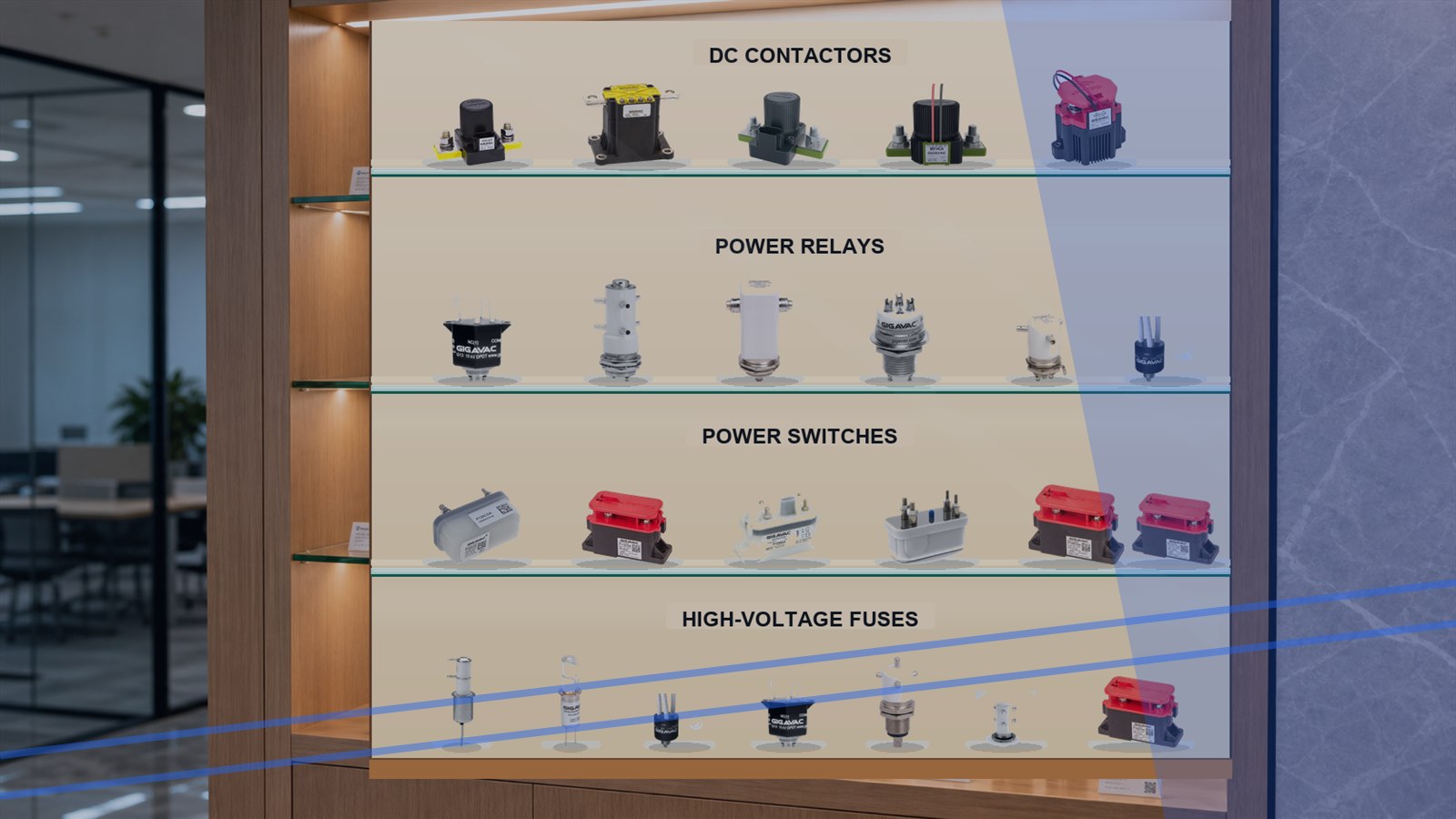
EV, charging and energy storage buyers are using clearer DC contactor sourcing checklists to compare voltage, current, fuse and delivery requirements earlier.
EV, charging and battery energy storage programs are moving faster, but component sourcing still depends on clear technical and commercial inputs. A high voltage DC contactor, EV battery contactor, DC power relay or high-voltage fuse can be delayed when buyers send an RFQ with only a partial model name, an estimated quantity or a broad application description.
That is why more B2B buyers are turning informal requests into sourcing checklists. The goal is not to add paperwork. It is to help engineering, purchasing and supplier teams compare the same facts before a quote is prepared, especially when the buyer is reviewing contactors, power relays, battery disconnect switches and protection components in the same purchasing cycle.
Checklist-based RFQs reduce early uncertainty
A useful DC switching RFQ usually starts with the application. Buyers should identify whether the part is intended for an EV battery pack, charging equipment, energy storage cabinet, industrial DC system or service replacement. From there, the request can list target DC voltage, current range, preferred model or series, mounting constraints, quantity, delivery schedule and any known alternates.
These details help a power relay supplier understand whether the buyer needs a direct model match or a sourcing review across nearby product families. They also reduce avoidable follow-up messages when a project moves from sample demand to batch purchasing.
Contactors and fuses are often planned together
Procurement teams are also linking contactor and fuse planning earlier. A high voltage fuse and a DC contactor serve different roles, but both may sit inside the same EV, energy storage or industrial power architecture. If the buyer changes one component family late in the process, the surrounding purchasing plan may need another review.
For that reason, many sourcing lists now include the preferred contactor family, related fuse requirements and any battery disconnect switch references in one request. Sorint supports buyers who need to compare contactors and power relays with related protection categories before finalizing a purchase list.
Model names still drive search and quoting speed
Model clarity remains one of the fastest ways to improve quoting speed. Buyers may search for a Gigavac contactor, Sensata high voltage relay, energy storage contactor or DC power relay while the internal bill of materials uses a more specific series name. Sharing both the search term and the exact model reference helps the supplier connect commercial availability with the engineering requirement.
When the exact model is not confirmed, buyers can still provide enough context for a structured review. Application, voltage, current, quantity and schedule usually give the supplier a practical starting point for identifying suitable options or clarifying what information is missing.
Standardized requests support repeat purchasing
Checklist-based sourcing is especially useful for repeat orders. Once a buyer records accepted models, alternates, related high-voltage fuse references and delivery expectations, future RFQs become easier to process. This matters for distributors, integrators and equipment builders that source the same component families across several EV charging, battery storage or industrial DC projects.
Sorint helps B2B buyers organize these requests across DC contactors, power relays, high-voltage fuses and battery disconnect components. A clearer sourcing checklist gives both sides a faster path from inquiry to quote.
FAQ
Why should buyers use a checklist for DC contactor sourcing?
A checklist helps buyers share application, voltage, current, model, quantity and schedule details in one request, which reduces follow-up and supports faster comparison.
Should high-voltage fuse requirements be included with contactor RFQs?
Yes, when both parts are part of the same EV, energy storage or industrial DC project. Listing related fuse needs helps suppliers understand the broader sourcing plan.
Can Sorint support model-specific and application-based RFQs?
Yes. Buyers can send exact model references or application-based requirements for DC contactors, power relays, high-voltage fuses and related switching components.