
Approfondimenti di settore
Energy Storage Buyers Are Separating DC Contactor and Fuse RFQs Earlier
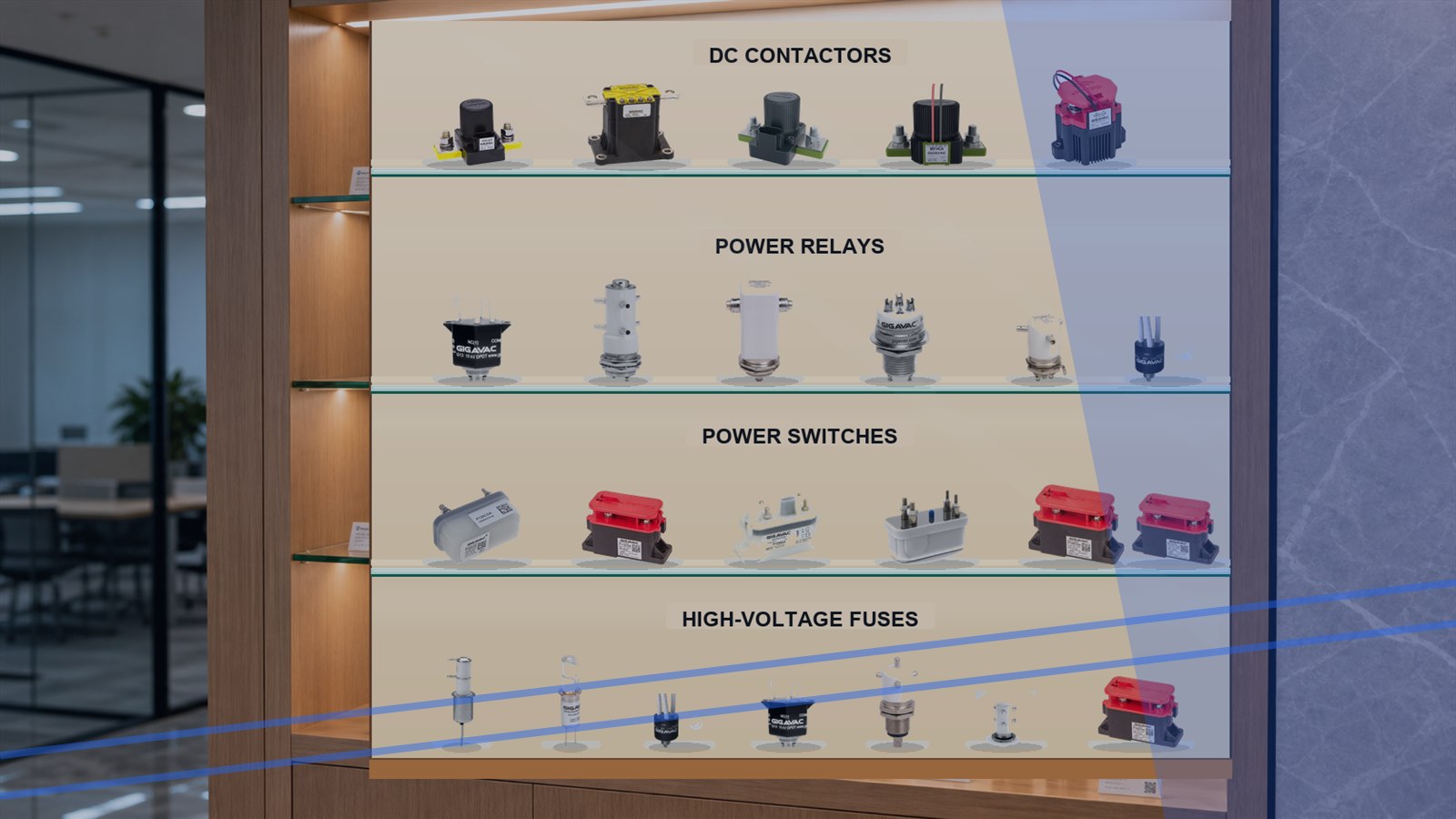
Procurement teams for energy storage projects are separating DC contactor, battery disconnect switch and high-voltage fuse RFQs earlier to reduce sourcing risk.
Energy storage projects are putting more pressure on the early sourcing stage for high-voltage DC components. Buyers are no longer treating the DC contactor, battery disconnect switch and high-voltage fuse as separate last-minute line items. More RFQs now group switching, isolation and protection details together so procurement teams can compare availability, lead-time risk and model alternatives before the electrical review is already locked.
This shift matters for B2B buyers because the parts are connected in the same power path. A battery energy storage cabinet may need a main DC contactor for switching, a disconnect switch for service or isolation planning, and high-voltage fuse protection for fault-current coordination. When these items are reviewed too late, the purchasing team may find that a selected model is difficult to source in the requested quantity or that a related accessory detail is missing from the inquiry.
RFQs are becoming more complete at the first contact
A stronger energy storage RFQ now includes system voltage, continuous current, coil voltage, contact form, mounting preference, termination style, expected quantity and destination market. For a high voltage DC contactor request, buyers often include the model number plus the application background: battery rack, PCS cabinet, charger, DC combiner or industrial power cabinet.
The same request may also include a battery disconnect switch or high-voltage fuse line. That helps the supplier review whether the inquiry is a single replacement purchase, a prototype build, a maintenance order or a larger production forecast. Clearer context can reduce quotation revisions and make it easier to flag closely related product families for comparison.
Contactors and fuses are compared together more often
DC contactors and high-voltage fuses serve different roles, but buyers increasingly evaluate them together because they affect the same sourcing schedule. A project team may approve a contactor family while the protection component list is still under review. If the fuse requirement changes later, the procurement package can lose time while the buyer confirms ratings, holders, mounting space and replacement policy.
For this reason, Sorint often sees buyers prepare a shared purchasing list for power contactors, high-voltage relays, battery disconnect switches and fuse protection products. The goal is not to replace the buyer's engineering approval, but to make the commercial and availability review more complete before the purchasing window becomes urgent.
Bulk readiness is now part of the selection conversation
Energy storage purchasing teams are also asking earlier about bulk quantity support. A model may be suitable for a test build, but a production or field-service order can require a different review of stock condition, packaging, batch timing and shipping documents. Buyers who send forecast ranges, target delivery dates and acceptable alternatives give suppliers a better basis for checking realistic options.
This is especially useful when the RFQ includes brand-specific contactors, Sensata high voltage relay models, Gigavac contactor families or fuse products with defined voltage and current classes. A complete inquiry can separate must-match model numbers from parts where equivalent sourcing discussion is allowed.
Practical inputs buyers should prepare
Before sending an energy storage component inquiry, buyers can list each line item with model number, quantity, target delivery date, voltage class, current rating, coil voltage where relevant, mounting or terminal preference, and any label or photo reference available. If the inquiry includes multiple product groups, separate the main DC switching requirement from relay control, disconnect and protection requirements.
Buyers can start with Sorint's power contactors, power switches, high-voltage fuses and high-voltage relays categories when building a combined RFQ. The more complete the first request is, the easier it is to compare product availability and sourcing paths.
FAQ
Why are energy storage buyers grouping DC contactors and fuses in one RFQ?
They often share the same project schedule, power-path review and purchasing deadline, so grouping them helps reduce delays during quotation and availability checks.
What details should a high voltage DC contactor RFQ include?
Include model number, quantity, system voltage, continuous current, coil voltage, contact form, mounting preference, destination country and expected delivery timing.
Can battery disconnect switches be reviewed with contactors?
Yes. Buyers can include disconnect switches with contactors and fuse protection when each line item is clearly separated and the application background is provided.
Does an RFQ replace engineering approval?
No. The RFQ helps organize sourcing, availability and quotation details. Final model suitability should remain with the buyer's engineering or project approval process.