
会社ニュース
We Are Organizing Cross-Reference Support for DC Contactor and Fuse Buyers
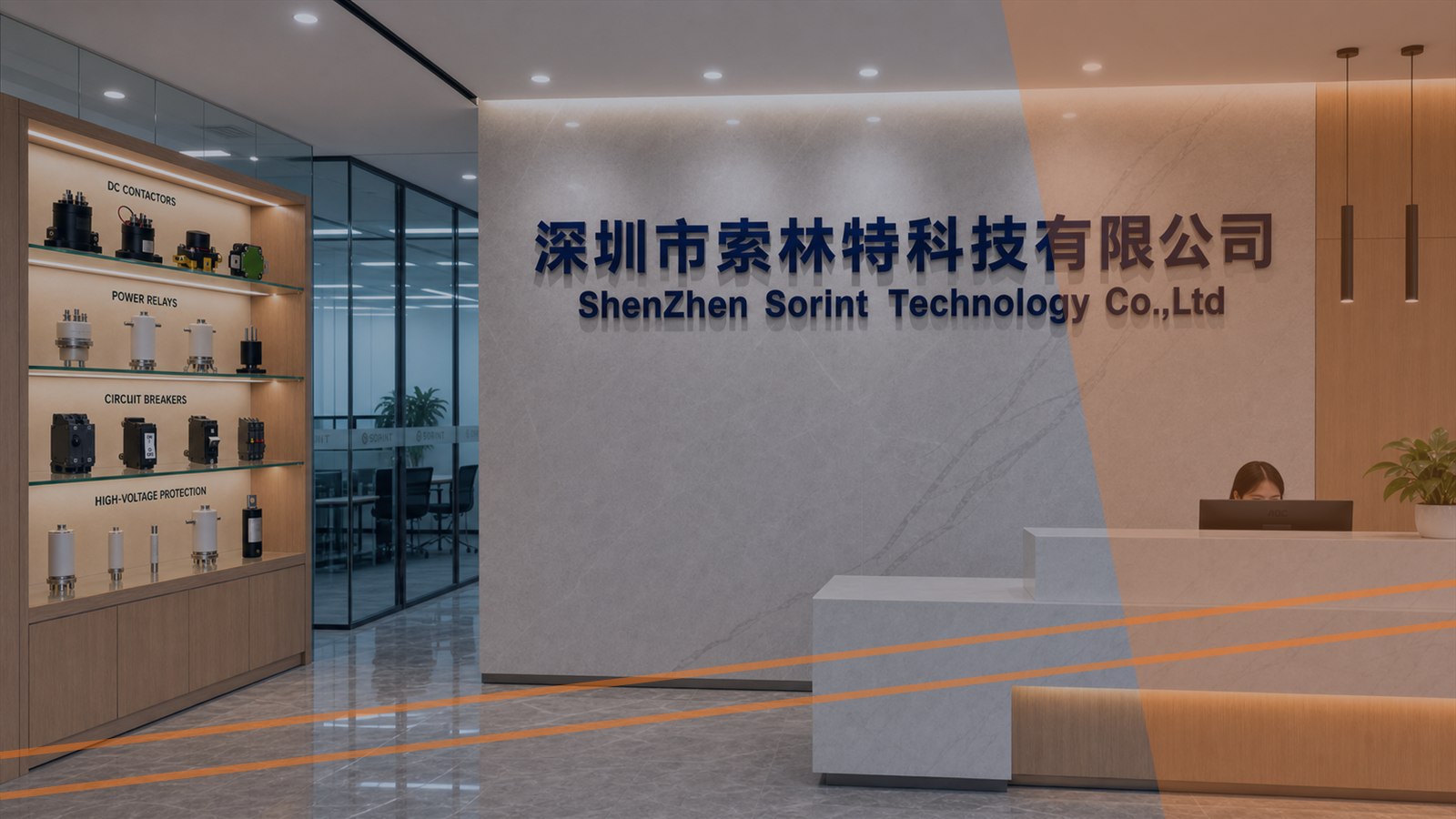
Sorint is improving RFQ review support for buyers comparing DC contactors, high-voltage relays, battery disconnect switches and fuse protection options.
We are organizing our RFQ review support around a pattern we see more often from EV, energy storage, charging and industrial DC power buyers: one sourcing request may need more than a single part number. A buyer may start with a high-voltage DC contactor, then also need a compact high-voltage relay, a battery disconnect switch or a high-voltage fuse option that fits the same project timeline.
To make those conversations faster, we are improving how we review cross-reference needs across Sorint product families. The goal is simple: help buyers describe the electrical target, compare available options and move from an early sourcing question to a clearer quotation request with fewer repeat messages.
Why buyers ask for cross-reference support
Many high-voltage component requests begin with a known model, a sample part from an earlier build or a preferred brand family. In real procurement work, that first reference is often only the starting point. The final request may need an equivalent DC power relay, a different coil voltage, a related fuse protection part or a contactor series that better matches the application schedule.
We are seeing more buyers ask for help comparing product paths before they lock the bill of materials. This is especially common in EV battery systems, charging cabinets, energy storage racks, rail power units, test equipment and industrial DC power control projects. When a buyer can share the reference model, current range, DC voltage, quantity target and application background together, our team can narrow the review more quickly.
How we are structuring RFQ details
Our team is grouping incoming details around the information that usually changes product selection. For DC contactors, that includes the load type, continuous current range, system voltage, coil voltage, mounting preference and whether the request is for main switching or auxiliary control. For high-voltage relays, contact form and voltage class are often important early filters.
For fuse protection and battery disconnect switch inquiries, we review the project role as well as the requested rating. A buyer may be checking spare parts, comparing protection options for an energy storage cabinet or preparing a new sourcing list for charging equipment. These details help us decide whether the starting point should be the power contactors category, the power relays category, the high-voltage fuses category or a battery disconnect switch option.
What buyers can send first
A useful first message does not need to be long. Buyers can send the known part number or product family, the target DC voltage and current, preferred coil voltage if applicable, estimated order quantity and the market where the component will be used. If there is no fixed model yet, the application name and rating target are enough for an initial review.
We also encourage buyers to mention whether they are looking for production supply, replacement parts, sample evaluation or alternative sourcing. Those notes help us prioritize availability checks and compare practical options such as GV, GX, HX, MX or GTM contactors, high-voltage relay families, HVBD battery disconnect switches and GigaFuse protection parts.
Our focus for high-voltage component sourcing
Our focus is to keep the RFQ path clear for B2B buyers who need reliable sourcing support across related high-voltage product groups. Instead of treating every model question as isolated, we are making it easier to review connected requirements and suggest the right next information to confirm.
This helps procurement, engineering and maintenance teams discuss DC switching and protection products in one place. It also gives Sorint a better basis for responding with relevant product families, availability notes and quotation support for high-voltage DC contactors, power relays, battery disconnect switches and fuse protection components.
FAQ
Can Sorint review a request when only a reference model is available?
Yes. Buyers can send the reference model first, then add the project voltage, current, coil voltage, quantity and application details when available.
Which product families are most often compared together?
We often see buyers compare DC contactors, high-voltage relays, battery disconnect switch options and high-voltage fuse protection during the same sourcing review.
What helps Sorint respond faster to a high-voltage RFQ?
The fastest starting points are the known model or product family, electrical target, application, estimated quantity and any timing requirement for samples or production supply.