
회사 소식
We Are Strengthening RFQ Support for High-Voltage Relay and DC Contactor Buyers
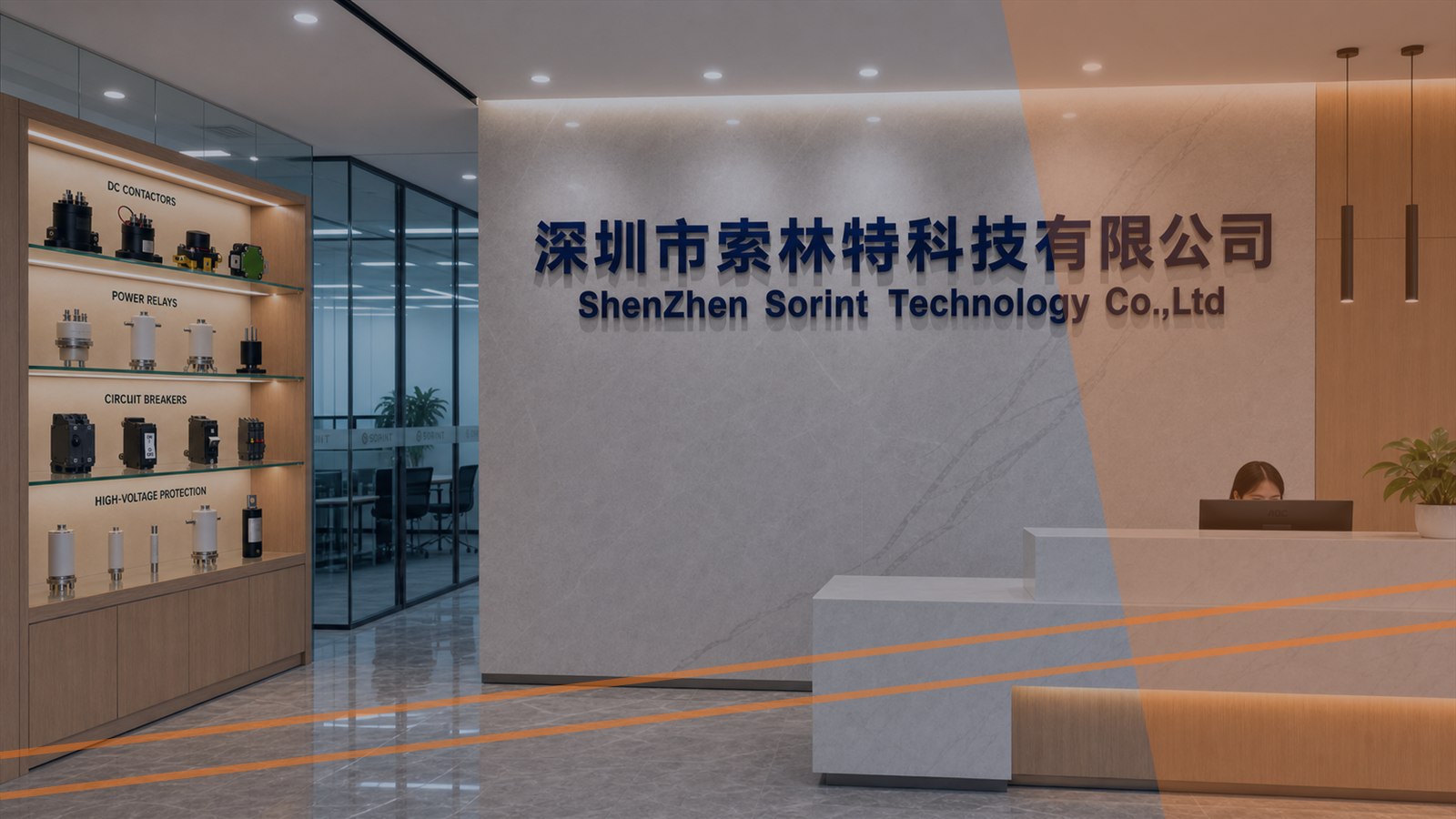
Sorint explains how we are improving RFQ review support for buyers sourcing high-voltage relays, DC contactors, fuses and battery disconnect switch options.
We are strengthening the way Sorint reviews RFQs for buyers who source high-voltage relays, DC contactors, high-voltage fuses and battery disconnect switch options. Many purchasing teams now send requirements that combine replacement needs, project build quantities and future sourcing plans in one inquiry. Our goal is to make those conversations clearer from the first reply, especially when the buyer is comparing several component families at the same time.
High-voltage power control projects often move quickly once the purchasing team has a confirmed model, target quantity and delivery window. Delays usually happen when the request does not separate the required product from acceptable alternatives, or when the same project needs related switching and protection parts. We are organizing our RFQ review around those practical details so EV, energy storage and industrial power buyers can receive more useful sourcing feedback.
We are asking for clearer model and application details
When a buyer sends a high-voltage relay or DC contactor request, we first look for the model number, voltage class, coil requirement, contact arrangement, target quantity and application context. These details help us confirm whether the inquiry is for maintenance replacement, sample evaluation, pilot production or repeat purchasing. They also help us identify when a buyer may need cross-reference support instead of a direct same-model quote.
For relay inquiries, contact form and voltage rating can change the sourcing direction. For DC contactor inquiries, current rating, coil voltage and auxiliary contact needs often matter before any meaningful comparison can be made. For fuse and disconnect switch inquiries, rated voltage, current class and project context help narrow the review. We use this information to keep the quotation discussion focused on the buyer's real build requirement.
We are grouping adjacent sourcing questions earlier
Many buyers no longer source one isolated part. An EV charger, battery pack, storage cabinet or industrial DC panel may need a main contactor, a control relay, a high-voltage fuse and a disconnect switch in the same procurement cycle. If the RFQ mentions those related needs at the start, we can review the sourcing package more efficiently and reduce repeated clarification.
This grouped review is useful for buyers comparing GIGAVAC contactor families, Sensata high-voltage relay options, Gigavac fuse requirements and other power switching components. We do not treat every adjacent part as interchangeable. Instead, we use the project notes to understand which items are confirmed, which are under comparison and which may need an alternative sourcing path.
We are improving support for bulk and repeat purchasing
Bulk readiness is becoming a larger part of B2B high-voltage component sourcing. Buyers often need to know whether a requested item can support both an immediate order and later production demand. We are paying closer attention to expected follow-up quantities, shipment timing and acceptable replacement ranges so that procurement teams can plan beyond the first sample order.
For repeat purchasing, consistency matters. Buyers want the same electrical class, product family and quotation assumptions to remain stable across future orders whenever possible. By capturing these expectations early, we can give more practical feedback on DC power relay sourcing, EV battery contactor requests, high-voltage fuse planning and battery disconnect switch supply discussions.
We are keeping buyer communication practical
Our RFQ support is designed for purchasing teams that need clear next steps. A strong inquiry usually includes the target model, application, quantity, destination market, required timing and any acceptable alternatives. When that information is available, we can respond with a more focused review instead of asking broad follow-up questions.
We will continue refining our product notes and inquiry review process around the way buyers actually source high-voltage power components. Sorint's priority is to help customers compare practical supply options for relays, contactors, fuses and related DC power control parts with fewer delays and clearer sourcing assumptions.
FAQ
What information helps Sorint review a high-voltage component RFQ?
The most useful details are the model number, application, voltage or current class, quantity, delivery target and any acceptable alternative part numbers. These details help us separate direct sourcing from cross-reference review.
Can Sorint review related contactor, relay and fuse needs together?
Yes. When buyers share the broader project context, we can review related high-voltage switching and protection needs together while still checking each component family on its own requirements.
Why does repeat purchasing context matter?
Repeat purchasing context helps us understand whether the buyer needs one replacement order, sample support or a supply path for future builds. That changes how we discuss timing, alternatives and quotation assumptions.