
산업 통찰
EV and Energy Storage Buyers Are Tightening DC Contactor Sourcing Plans
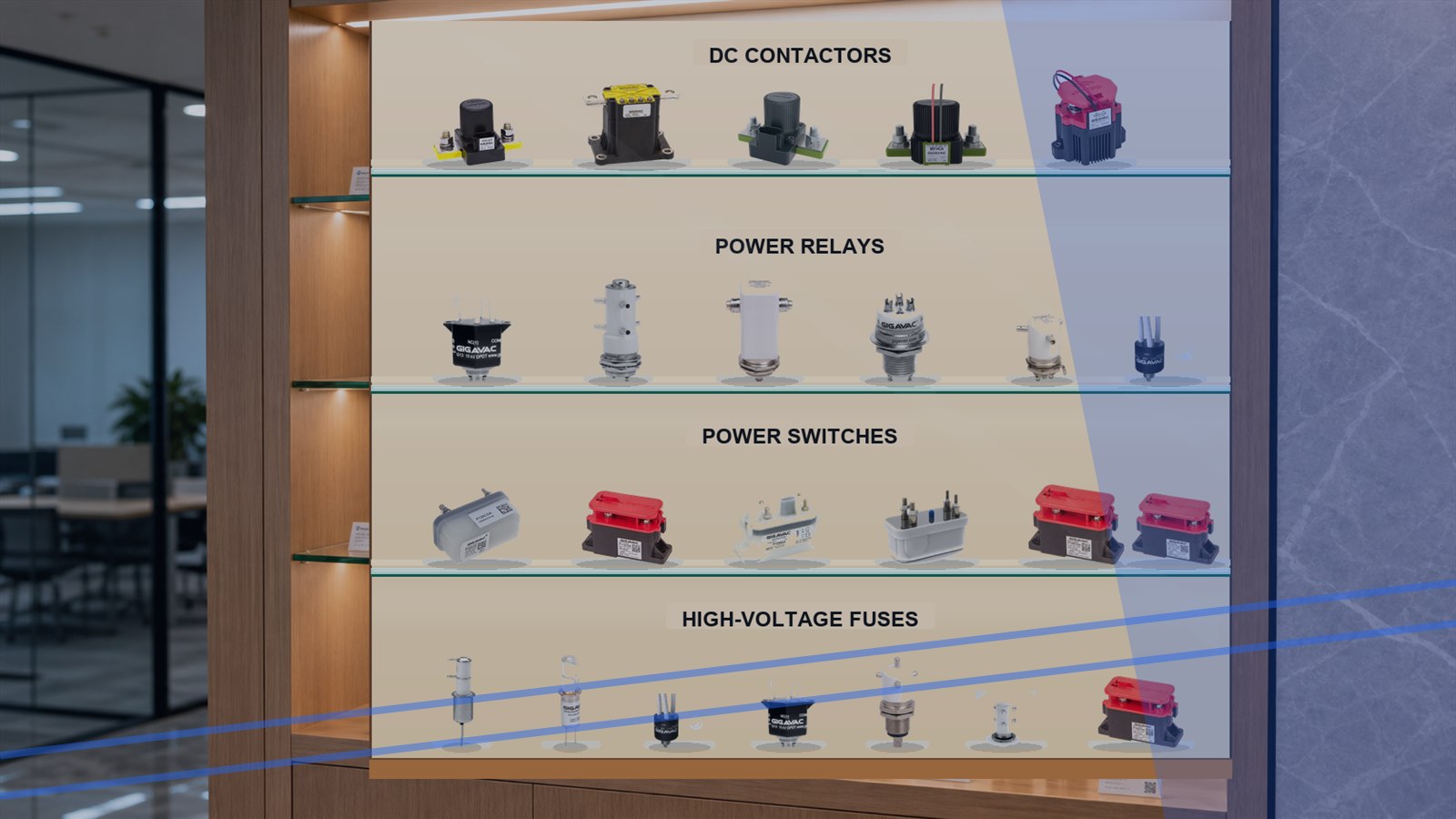
EV, charging and energy storage buyers are planning DC contactor, power relay and high-voltage fuse sourcing earlier to reduce project risk.
EV, charging and energy storage projects are putting more pressure on electrical sourcing teams to make decisions earlier. A high voltage DC contactor, power relay or high-voltage fuse may look like a small line item compared with a battery pack, inverter or charging cabinet, but it can still influence delivery dates, compliance reviews and service planning when the project moves from prototype demand to batch purchasing.
For B2B buyers, the trend is clear: contactor sourcing is becoming a planning task, not a last-minute purchasing task. Teams that define the application, target voltage, current range and preferred product family at the RFQ stage can compare options faster and reduce avoidable back-and-forth before a purchase order is placed.
Earlier RFQs reduce substitution pressure
High-voltage DC switching projects often involve several closely related parts. Buyers may compare a GIGAVAC contactor, a Sensata high voltage relay, a DC power relay and a matching high-voltage fuse in the same sourcing cycle. When the request arrives late, the purchasing team may have limited time to confirm model availability, review adjacent options or align the contactor with the fuse and disconnect strategy.
Earlier RFQs help reduce that pressure. A practical request should include the target application, expected DC voltage, operating current range, quantity, schedule and any known model references. Even when the final design is still open, this information gives a supplier enough context to identify whether the buyer is looking for an EV battery contactor, an energy storage contactor, a charging system relay or a broader DC power relay alternative.
Contactor and fuse choices are being reviewed together
More buyers are reviewing contactors and high-voltage fuses as a linked sourcing package. This does not mean the two parts perform the same function. It means project teams want fewer gaps between switching, isolation and protection decisions. In battery energy storage systems, charging equipment and industrial DC cabinets, a change to one component family can affect the purchasing plan for the surrounding parts.
Sorint supports requests across contactors and power relays, high-voltage fuses and related DC switching categories. Buyers can start from the contactors and power relays category or review power contactor options when preparing a sourcing list.
Model clarity helps B2B buyers move faster
Many delays begin with unclear model naming. A buyer may search for a high voltage DC contactor, a Gigavac contactor, an EV battery contactor or a battery disconnect switch while the engineering file uses a specific series or model reference. Aligning those names before the RFQ is sent helps the commercial and technical review stay focused.
When the exact model is unknown, buyers can still share the application and performance target. Sorint can then help compare relevant product families and confirm which information is still needed before quoting. For recurring purchasing, keeping a record of accepted alternates and related fuse requirements can also make future RFQs easier to process.
FAQ
Why are EV and energy storage buyers planning DC contactor purchases earlier?
Earlier planning helps buyers confirm availability, compare suitable product families and avoid late substitutions that can slow project purchasing.
What should be included in a DC contactor RFQ?
A useful RFQ includes the target application, DC voltage, current range, preferred model or series, quantity, schedule and any related fuse or disconnect requirements.
Can Sorint help compare contactors with related high-voltage fuses?
Yes. Sorint supports sourcing discussions across contactors, power relays, high-voltage fuses and related DC switching components for EV, charging, energy storage and industrial projects.