
산업 통찰
EV and Storage Buyers Want Cross-Referenced High-Voltage Parts in One RFQ
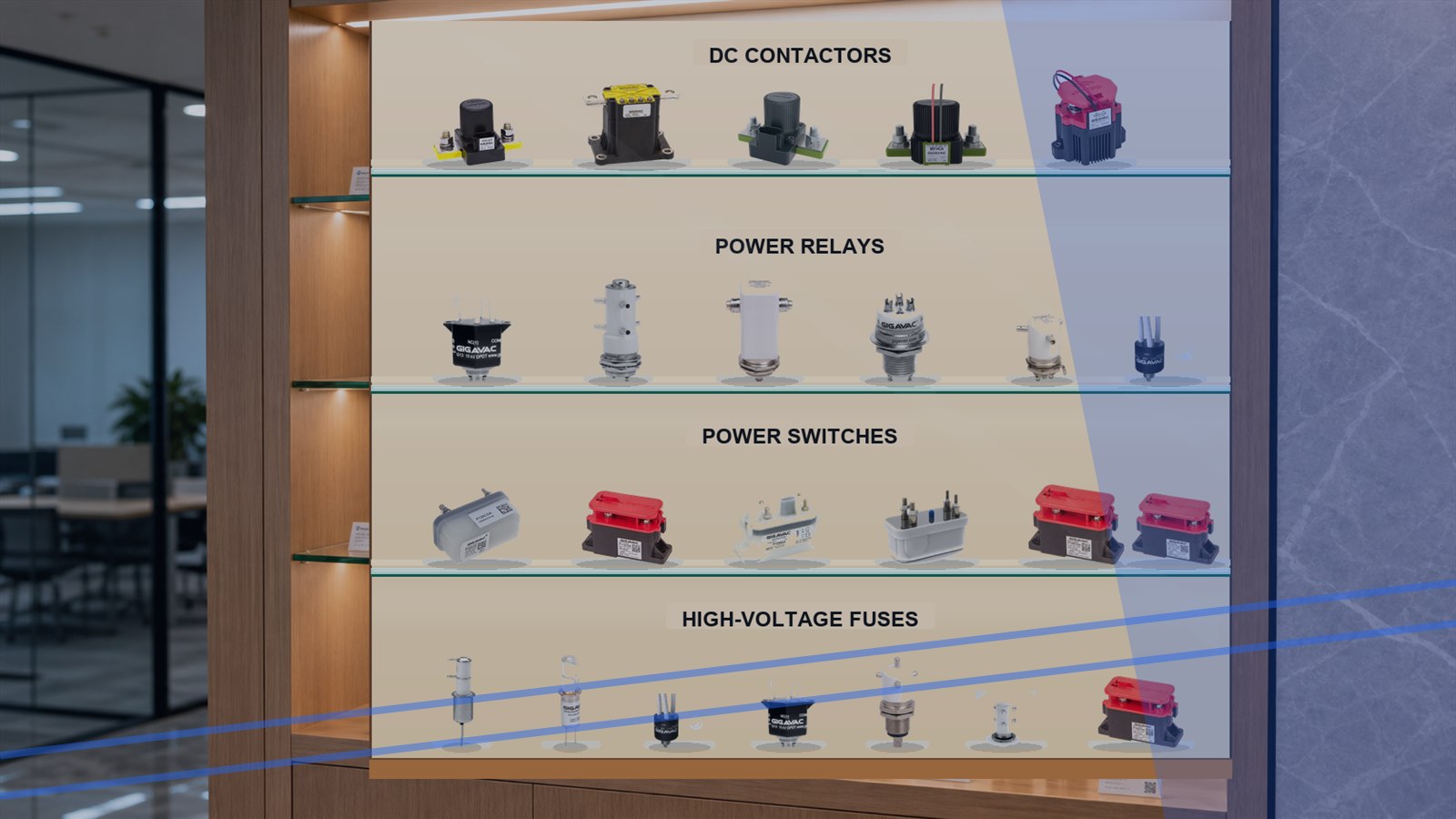
EV, charging and energy storage buyers are asking suppliers to review DC contactors, relays, disconnect switches and high-voltage fuses together in one sourcing request.
EV battery, charging and energy storage projects are creating more RFQs that cover several high-voltage parts at the same time. A buyer may start with a high-voltage DC contactor model, then add a power relay, battery disconnect switch or high-voltage fuse after the engineering team reviews the full switching and protection path. For procurement teams, this means the best first inquiry is no longer a single part number without context. It is a cross-referenced sourcing request that shows how the parts are expected to work together in the project.
This shift is important for B2B buyers because many schedules depend on several related components arriving with compatible documentation, quotation timing and quantity planning. A clear RFQ helps Sorint review available product families, identify related options and return a more useful sourcing answer.
Why high-voltage RFQs are becoming broader
Project teams are trying to reduce sourcing risk before a prototype, pilot build or replenishment order reaches a deadline. In EV and energy storage programs, a DC contactor request may be connected with fuse protection, manual disconnect requirements or control relay replacement. When these items are handled separately, the buyer may receive answers that are correct for each model but incomplete for the overall bill of materials.
Broader RFQs also reflect the way purchasing teams compare suppliers. Buyers want to know whether one contact can help review GIGAVAC contactors, Sensata high-voltage relays, GigaFuse options and adjacent DC power switching parts. The goal is not to replace engineering approval. The goal is to make the first sourcing review practical enough for price, lead-time direction and model comparison.
Cross-reference details make the first reply stronger
A useful high-voltage component RFQ should include the target model, acceptable alternates if known, quantity range, project stage and delivery destination. If the buyer is replacing an existing part, label photos and the current model number are often more helpful than a short description alone. If the buyer is comparing options for a new build, voltage range, current range, coil voltage, mounting preference and application background should be included.
For high-voltage DC contactors, the inquiry should state whether the need is for main switching, pre-charge, charging equipment, battery storage or industrial DC control. For power relays, contact form, coil voltage and mounting style can separate similar model families. For battery disconnect switches and high-voltage fuses, the request should explain the protection or isolation role in the system.
Bulk planning changes the sourcing conversation
Many buyers now ask about sample review and bulk readiness in the same message. That is useful because a part that works for one replacement order may require a different purchasing plan for a production batch, repair program or multi-site rollout. Quantity breaks, destination country, required timing and document needs all affect how a supplier prepares the quotation.
When the same RFQ includes contactors, relays, disconnect switches and fuses, Sorint can help organize the review by product family and priority. The buyer can then decide which items need immediate quotation, which items need model confirmation and which items should remain as alternates for later comparison.
What buyers should prepare before sending an RFQ
The most efficient message includes a part list, target quantity for each line, application background, expected order schedule and any required brand or series references. Buyers should also note whether alternates are acceptable or whether only the exact model can be quoted. This prevents a supplier from spending time on substitute options when the project requires a direct match.
For urgent EV, charging or storage projects, Sorint recommends adding the destination country and delivery expectation at the beginning of the inquiry. That makes it easier to review sourcing direction, quotation timing and related high-voltage parts in one response.
FAQ
Can one RFQ include DC contactors, relays and high-voltage fuses?
Yes. A combined RFQ is often helpful when the parts belong to the same EV, charging, energy storage or industrial DC power project.
What information helps Sorint review cross-referenced high-voltage parts?
The most useful details are model numbers, quantities, application background, voltage or current targets, delivery destination and whether alternates are acceptable.
Should buyers request alternates in the first message?
Buyers should state this clearly. If alternates are acceptable, Sorint can review related product families. If only the exact model is allowed, the RFQ should say so directly.