
산업 통찰
High-Voltage Component Buyers Are Building RFQs Around Bulk Readiness
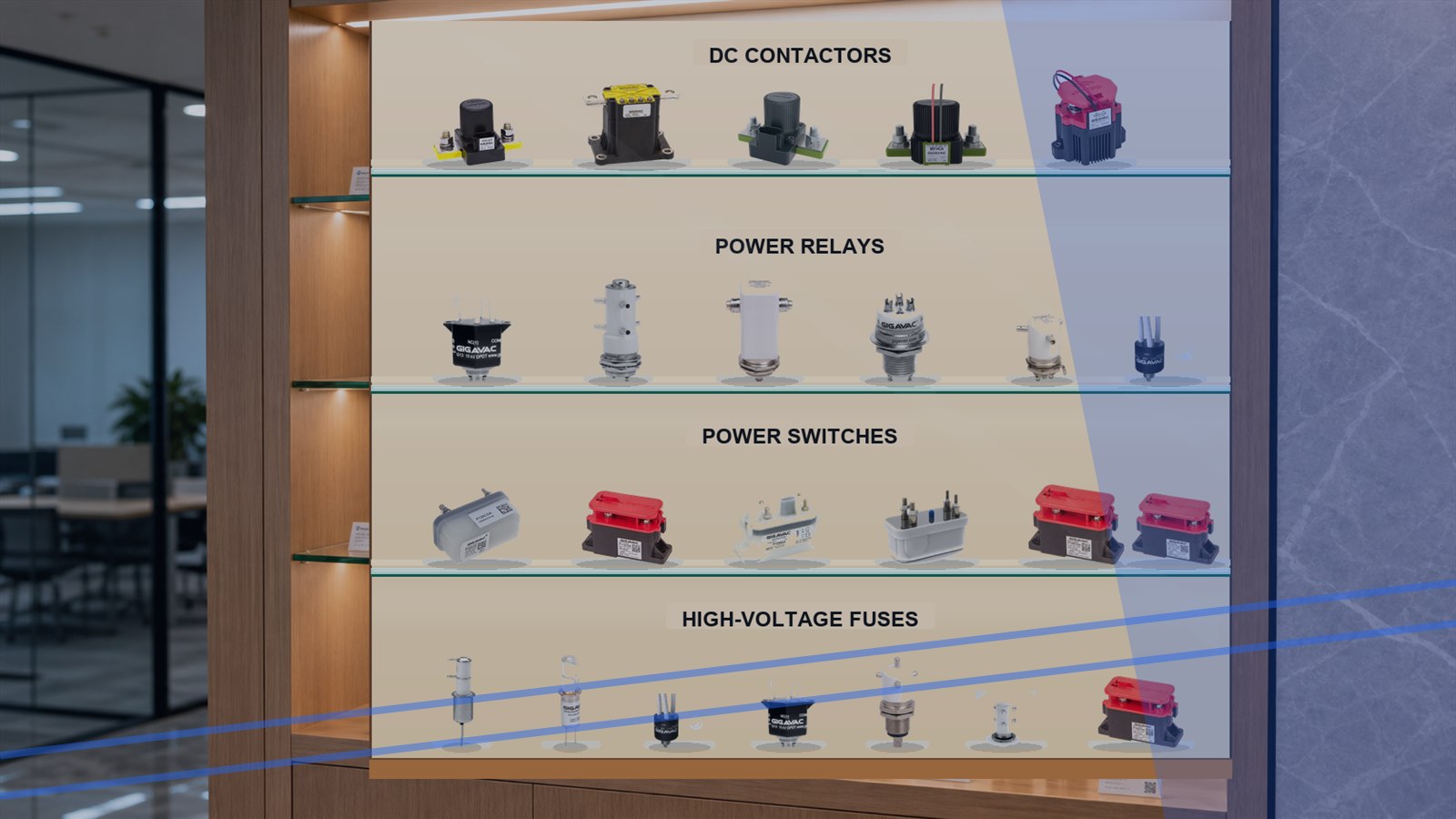
Sorint reviews why EV, energy storage and industrial power buyers are preparing RFQs around bulk readiness, model clarity and high-voltage component sourcing risk.
High-voltage component sourcing is becoming more structured as EV charging, energy storage and industrial DC power projects move from prototype requests into repeat purchasing. Buyers are no longer asking only whether a supplier can quote one DC contactor, one power relay or one high-voltage fuse. More RFQs now ask whether the supplier can review model fit, quantity planning, documentation needs and delivery timing together.
For Sorint, this shift is visible in the way procurement teams describe their projects. A buyer may start with a high-voltage DC contactor requirement, then add related requests for a pre-charge relay, battery disconnect switch, fuse option or replacement part. When those items are reviewed as one sourcing package, the RFQ becomes easier to check and the quotation can focus on practical supply details instead of repeated clarification.
Bulk readiness is becoming part of the first inquiry
Earlier sourcing conversations often began with a single model number and a small test quantity. That still happens, especially for design evaluation and maintenance replacement. The difference is that more buyers now include expected follow-up quantities, project timing and preferred shipment windows in the same message. This helps suppliers judge whether the request is a one-time purchase, a pilot build or the start of repeat demand.
Bulk readiness does not only mean inventory on the shelf. It also means confirming whether the exact model, voltage class, coil option, contact arrangement and protection part can remain consistent across future orders. Buyers working on EV chargers, battery packs, storage cabinets and industrial power panels benefit when they identify the expected production path early, even if the first order is modest.
Clear model data reduces sourcing delays
High-voltage product names can look similar while the actual requirements differ sharply. A DC contactor request may depend on coil voltage, current rating, auxiliary contact needs and mounting limits. A high-voltage relay request may depend on contact form, voltage class and termination style. A fuse request may need rated voltage, current class and application context before a supplier can recommend the right sourcing direction.
That is why stronger RFQs now include the model number under review, target application, estimated quantity, required delivery window and any accepted alternatives. When buyers provide that structure, Sorint can compare the request against available contactors, power relays, high-voltage fuses and battery disconnect switch options more efficiently. It also helps separate confirmed model sourcing from cases where the buyer still needs cross-reference support.
Project context helps suppliers compare adjacent parts
EV charging equipment, energy storage systems and industrial DC panels often use more than one high-voltage component family. A purchasing team may need a main contactor for switching, a relay for control or test circuits, and a fuse or disconnect switch for protection and service planning. If the RFQ explains how these parts fit into the system, the review can avoid unnecessary back-and-forth.
Project context is especially useful when buyers are comparing options from known high-voltage component families such as Gigavac contactors, Sensata high-voltage relays or compatible DC power relay alternatives. Sorint can support the conversation by reviewing the target function, preferred part number, requested quantity and supply schedule. The final selection still depends on the buyer's engineering approval, but a better RFQ gives procurement a cleaner starting point.
What buyers should prepare before requesting a quote
A practical high-voltage sourcing request should include the product family, exact model if known, target voltage and current class, coil voltage where relevant, quantity, destination country and desired delivery timing. For replacement purchases, photos of the label or existing part number can help. For new projects, the application type and any accepted brand or model alternatives are often more useful than a broad product description.
Sorint focuses on helping B2B buyers make those details clear before quotation. That approach supports faster review for EV, charging, energy storage and industrial power projects where delays often come from incomplete RFQ inputs rather than the component category itself.
FAQ for bulk high-voltage component sourcing
Why are buyers combining contactors, relays and fuses in one RFQ?
Many DC power projects need switching, control and protection parts reviewed together, so a bundled RFQ helps align model choices and delivery planning.
What information helps Sorint review a bulk request?
Include the model number, product family, application, quantity, target delivery window, destination country and any accepted alternatives.
Can a buyer request both exact models and alternatives?
Yes. Buyers can name the preferred model and also state whether equivalent contactors, power relays or high-voltage fuses may be considered.
Is bulk readiness the same as immediate stock?
No. Bulk readiness also includes model continuity, order planning, sourcing confirmation and delivery scheduling for future purchasing needs.