
산업 통찰
High-Voltage Fuse Planning Is Moving Earlier in EV and Storage Sourcing
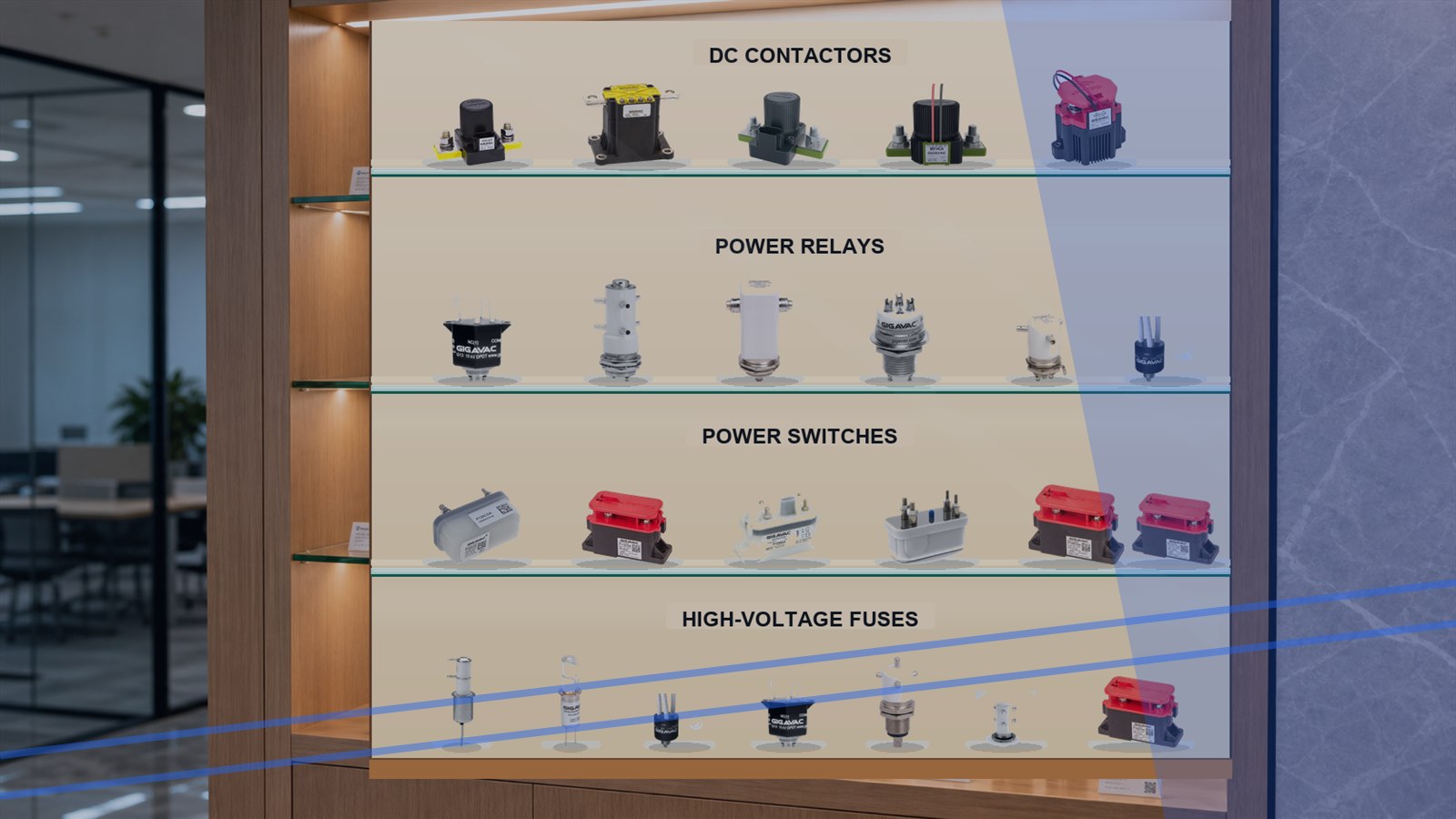
EV, charging and energy storage buyers are planning high-voltage fuse requirements earlier alongside DC contactors, relays and disconnect components.
EV charging, battery energy storage and industrial DC projects are placing more attention on protection components at the start of sourcing. A high-voltage fuse may not receive the same early discussion as a high voltage DC contactor, EV battery contactor or DC power relay, but procurement teams are learning that fuse planning can shape availability checks, quoting speed and replacement planning.
For B2B buyers, the shift is practical. When a sourcing request lists contactors, relays, battery disconnect switches and high-voltage fuses together, suppliers can review the purchasing picture more clearly. That does not replace engineering validation, but it helps commercial and technical teams ask better questions before a quote is delayed by missing requirements.
Protection parts are no longer a late-line item
In many DC power systems, buyers used to treat fuse sourcing as a later purchasing task. The main inquiry focused on switching components, while protection details were confirmed after the project team narrowed the contactor or relay options. That sequence can create avoidable delays when the final bill of materials needs matching availability, lead time and quantity checks.
Earlier fuse planning helps buyers compare the full sourcing package. A request that includes application type, target DC voltage, current range, preferred fuse family, mounting needs, quantity and schedule gives a supplier a clearer starting point. It also helps when the buyer is comparing high-voltage fuse demand with related contactors and power relays.
Contactor and fuse sourcing often move together
EV and storage purchasing teams frequently review contactors and fuses in the same project window because both categories affect the broader DC power architecture. A contactor may handle switching and isolation while a fuse supports circuit protection. The parts are different, but the sourcing timeline can be connected when a project moves from pilot demand to batch purchasing.
That is why more RFQs now mention a high voltage DC contactor, energy storage contactor, DC power relay and high-voltage fuse in one request. Buyers may also include battery disconnect switch requirements when the project needs a broader review of DC switching and protection components. This gives supplier teams a better view of the project instead of treating each line item as an isolated request.
Clear model language improves quote quality
Model clarity is still one of the fastest ways to reduce follow-up. Some buyers search by broad terms such as high voltage fuse, Gigavac contactor, Sensata high voltage relay or power relay supplier, while internal files may use a more specific family name or model reference. Sharing both the common search term and the exact model reference helps the supplier connect the inquiry to available product options.
When the exact fuse model is not confirmed, buyers can still provide useful context. Application, voltage, current range, expected quantity, mounting preference and target delivery schedule can all support a structured sourcing review. These details make it easier to identify what is ready for quoting and what still needs engineering confirmation.
Repeat buyers benefit from standardized requests
Distributors, integrators and equipment builders often source similar DC protection and switching parts across several projects. A standardized RFQ format helps those teams keep accepted models, alternates, quantities and delivery expectations organized. Over time, this can reduce repeated clarification and make future purchasing cycles easier to process.
Sorint supports B2B buyers sourcing DC contactors, power relays, high-voltage fuses and battery disconnect components for EV charging, energy storage and industrial power systems. Clearer early planning helps both sides move from inquiry to quote with fewer gaps.
FAQ
Why are buyers planning high-voltage fuse sourcing earlier?
Earlier planning helps buyers align fuse requirements with contactor, relay and disconnect sourcing before availability, schedule or quantity questions slow the RFQ.
What should a high-voltage fuse RFQ include?
A useful request should include the application, target DC voltage, current range, preferred model or family, mounting needs, quantity and delivery schedule.
Can Sorint support fuse and contactor sourcing together?
Yes. Sorint supports sourcing requests across high-voltage fuses, DC contactors, power relays and battery disconnect components for EV, storage and industrial projects.