
Company News
We Are Clarifying Application Notes for High-Voltage RFQs
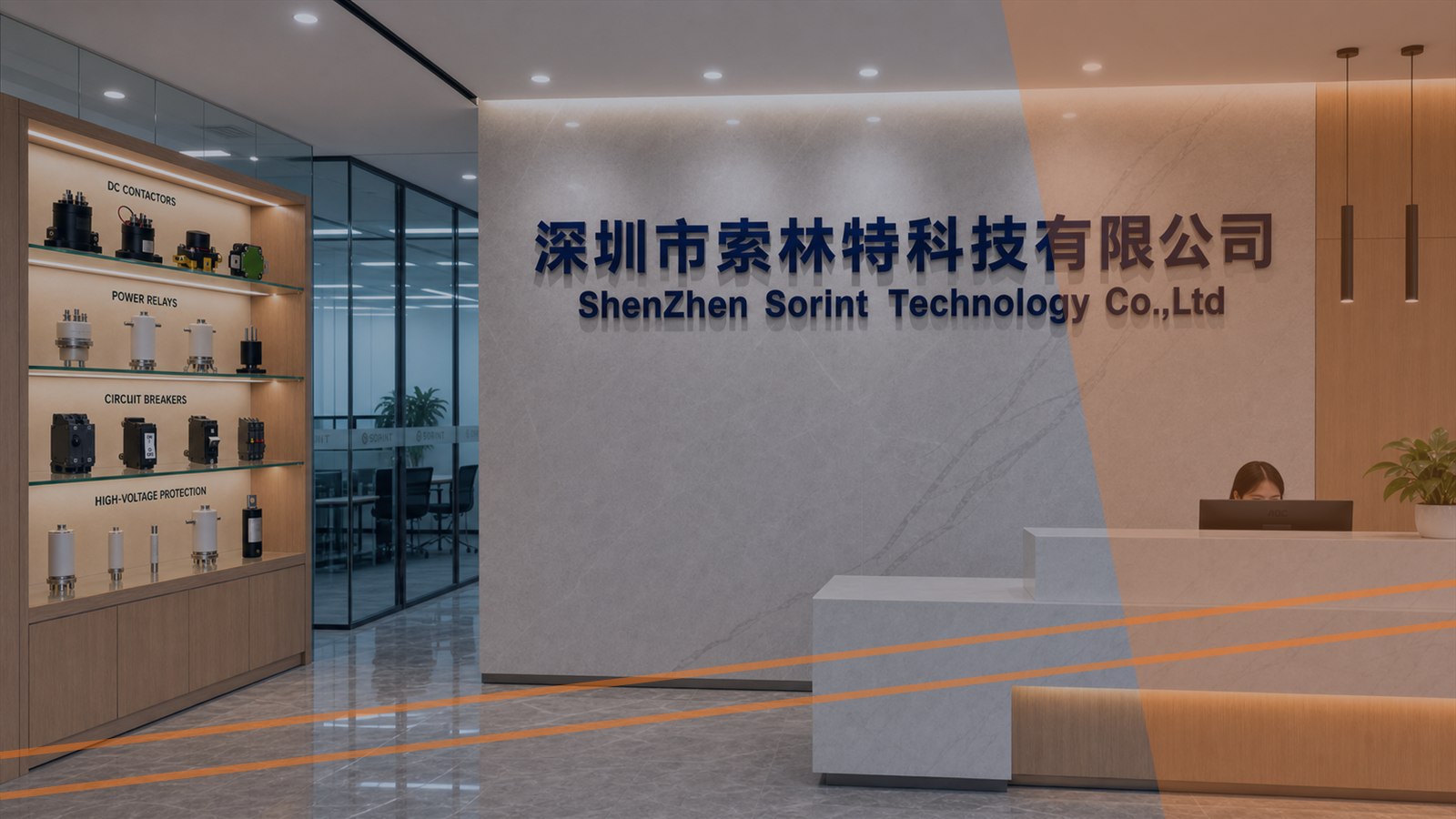
Sorint is asking for clearer application notes at the start of high-voltage contactor, relay, fuse and disconnect switch RFQs.
We are adding clearer application notes to our high-voltage RFQ reviews so purchasing teams can explain the real operating need before price and lead time are compared. Many requests reach us with a part number and quantity, but the fastest sourcing discussion usually includes the surrounding system details as well. For DC power projects, those details help separate a high voltage DC contactor request from a power relay, high-voltage fuse or battery disconnect switch request.
Our goal is to make the first quotation exchange more useful for buyers working on EV charging equipment, energy storage cabinets, industrial DC panels, service isolation assemblies and high-voltage test systems. When the inquiry names the application background, voltage class, load role and timing target, we can review the request with fewer follow-up questions and a cleaner short list of sourcing options.
Why we are asking for application notes earlier
A high-voltage component RFQ can look simple on a purchasing sheet, but the same model family may appear in different roles. A DC contactor may be used for main pack switching, precharge, charging output control or service equipment. A DC power relay may be used for control or test circuits. A high-voltage fuse may be protecting a branch circuit, battery string or cabinet output. A battery disconnect switch may support service isolation rather than normal load switching.
Those differences affect how a supplier reads the inquiry. We are encouraging buyers to send a short application note at the start: equipment type, nominal and maximum voltage, current range, load type, coil or control preference, mounting limits, termination preference, quantity, target delivery window and whether the request is for new design, maintenance or replacement review. This does not replace engineering approval, but it gives the quotation review a stronger starting point.
How this helps contactor and relay sourcing
For high voltage DC contactor and EV battery contactor requests, early application details help confirm whether the buyer is discussing a main switching device, an auxiliary switching role or a precharge-related line. For power relay supplier reviews, contact form, coil voltage, dielectric rating and mounting style often matter as much as the part name. If the buyer can share those points up front, our team can keep the RFQ aligned with the intended use instead of treating every line as a simple price lookup.
This is especially useful when buyers compare multiple product groups in one RFQ. A list may contain Gigavac contactor references, Sensata high voltage relay references, fuse protection items and disconnect switch options. By separating the intended role of each line, we can respond with clearer questions and avoid mixing switching, control and protection requirements into one broad answer.
What buyers can include in the first message
We recommend that buyers include the complete model number when available, but not stop there. A good first message can also include quantity, annual demand estimate, preferred brand, acceptable alternatives for review, target schedule, country or region, and any drawings or approved vendor list that can be shared. If the request is urgent, naming the shipment priority helps us separate stocked or fast-moving options from longer sourcing checks.
For replacement reviews, the original part number should be paired with photos, labels or project notes when possible. We do not describe an alternate as a direct replacement without engineering confirmation, because package, terminals, voltage rating, current rating, coil requirements, mechanical fit and safety approvals all matter. Clear application notes help both sides decide whether the discussion should stay with the named part or move into a controlled comparison.
Where Sorint is applying the update
We are applying this clearer RFQ intake style across high-voltage contactors, power relays, battery disconnect switches and fuse protection requests. The change is most visible in multi-line inquiries where buyers want one supplier conversation for several DC power control parts. It is also useful for buyers who are still finalizing the approved part list and need a quotation discussion that respects technical boundaries.
For Sorint customers, the practical benefit is a more focused first reply. Instead of asking only for the part number and quantity, we can review whether the request belongs in contactors, relays, disconnect switches or high-voltage fuses, then flag the details that need confirmation before purchasing moves forward.
FAQ
Can Sorint quote from a part number only?
Yes, we can begin with a part number and quantity, but application notes usually make the first quotation more accurate. They help us understand whether the request is for production, maintenance, replacement review or early sourcing.
Does an application note replace engineering confirmation?
No. Engineering confirmation is still required for final part selection, especially when an alternate model is being reviewed. The note helps the sourcing discussion start with the right technical context.
Which product groups benefit most from this change?
The clearest benefit is for high voltage DC contactor, EV battery contactor, DC power relay, high-voltage fuse and battery disconnect switch RFQs, especially when several product groups appear in one inquiry.