
Industry Insights
EV Charging and Storage Buyers Are Separating Switching and Protection RFQs
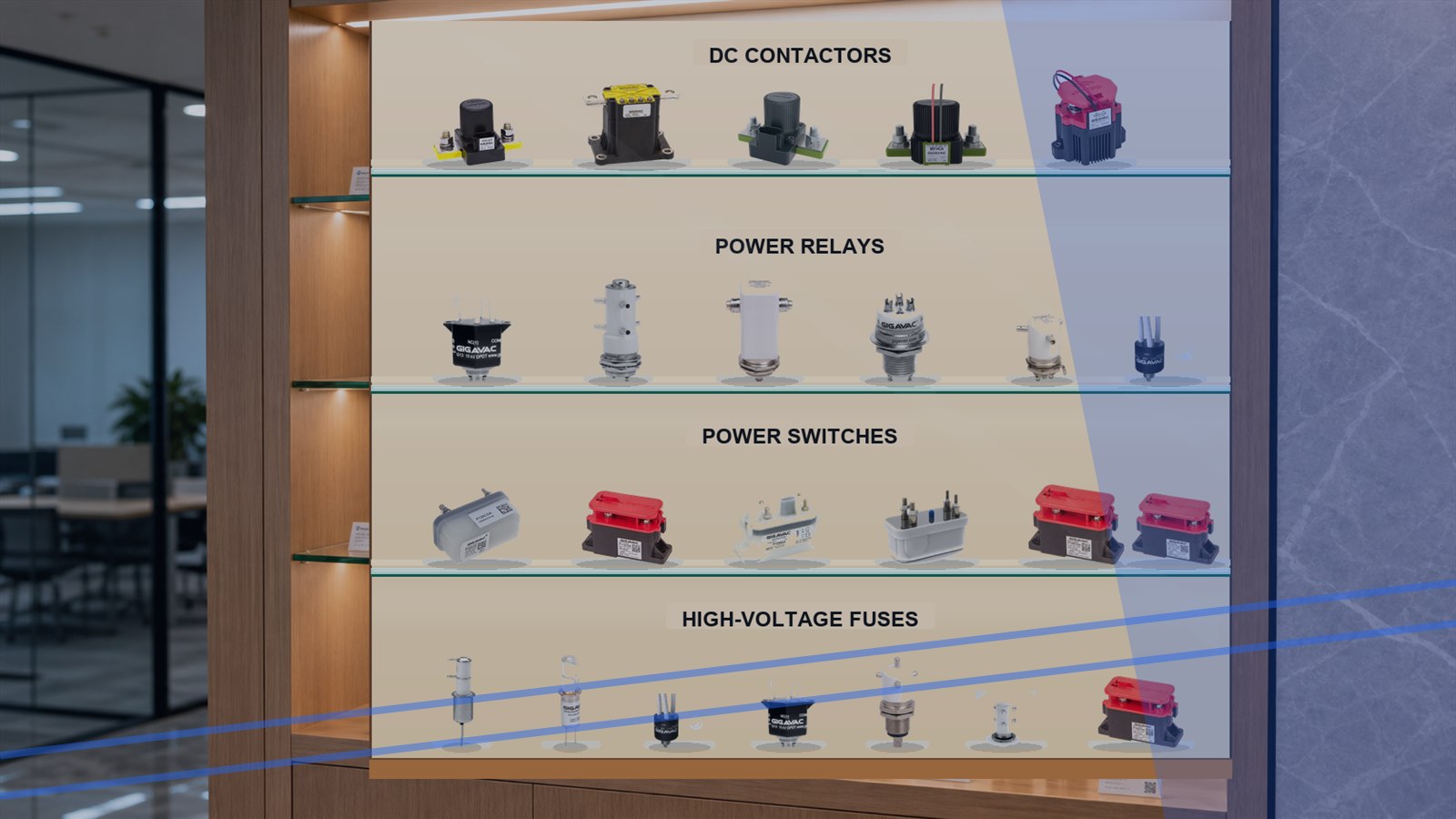
EV charging and energy storage buyers are separating DC contactor, power relay, disconnect switch and fuse RFQs earlier to reduce sourcing delays.
EV charging and energy storage buyers are putting more structure into high-voltage component RFQs before they ask for price and delivery. A single purchasing list may include a high voltage DC contactor, DC power relay, high voltage fuse and battery disconnect switch, but those lines do not carry the same review questions. When they are grouped too loosely, sourcing teams often lose time clarifying voltage class, contact form, coil preference, mounting style, protection role and shipment priority.
Sorint sees this most clearly in bulk requests for charging cabinets, battery service equipment, storage racks, industrial DC systems and maintenance spares. Buyers want faster quotation, but the fastest route is rarely a shorter message. It is a cleaner RFQ that separates switching, control and protection parts before the supplier review begins.
Switching and protection parts need different RFQ fields
A DC contactor or EV battery contactor is usually reviewed around load switching, coil voltage, auxiliary contact needs, terminal style, mounting direction and environmental requirements. A high-voltage relay may need a different review path, especially when the request is for a specific contact form such as SPST, SPDT or DPDT, a dielectric type, coil construction or a compact replacement envelope.
High-voltage fuses and battery disconnect switches add another set of questions. The buyer may need to confirm system voltage, current rating, interrupting requirement, installation footprint, holder or accessory requirements and whether the line is for production, repair stock or sample evaluation. Putting these fields into the first inquiry helps a power relay supplier or DC contactor sourcing partner return focused questions instead of broad assumptions.
Why EV charging projects separate line items earlier
EV charging projects often combine main DC switching, precharge support, protection components and service disconnect hardware in one purchasing cycle. Procurement teams may be comparing multiple approved part references while also checking delivery windows for pilot builds or maintenance programs. When all switching and protection parts are described as one category, a quotation can look simple while still hiding technical gaps.
A better RFQ lists each line with the model reference if available, requested quantity, target delivery date, destination country and application context. If the line is a high voltage DC contactor, state whether auxiliary contacts, coil voltage or terminal orientation are important. If the line is a high voltage fuse, keep the fuse family, rating, package or holder requirement visible. If the line is a battery disconnect switch, include the expected installation role and any drawing constraints that must be reviewed.
Storage buyers are also tightening spare-parts planning
Energy storage buyers are often balancing production supply and field service demand at the same time. A storage cabinet may need contactors for battery connection, relays for control functions, fuses for protection and disconnect switches for service isolation. These products may be ordered together, but they should not be treated as interchangeable sourcing lines.
For replenishment programs, the clearest inquiries include existing part labels, previous purchase references and a note on whether the buyer needs exact model supply or an engineering-reviewed alternate candidate. For new projects, the RFQ should identify the electrical role, the required product family, mechanical limits and review timing. This prevents a high-voltage fuse inquiry from being answered like a relay inquiry, or a contactor line from being priced without the coil and auxiliary-contact questions that affect acceptance.
How Sorint supports cleaner high-voltage component RFQs
Sorint supports buyers that need organized sourcing for DC contactors, power relays, high-voltage fuses and battery disconnect switches. The practical goal is to reduce back-and-forth before quotation by making the required review fields visible early. That is especially useful when a buyer sends a mixed RFQ covering EV charging, storage, industrial power control and maintenance spare parts.
For buyer teams, the useful first step is to split the request by product family and keep model references, quantities and destination details beside each line. Sorint can then review availability, quotation questions and sourcing direction with less ambiguity. Final acceptance still belongs with the buyer's engineering and quality teams, especially when a candidate alternate or replacement path is being considered.
FAQ
Should a mixed EV charging RFQ combine contactors, relays and fuses into one line?
No. It is better to keep DC contactors, power relays, high-voltage fuses and disconnect switches as separate RFQ lines because each product group needs different review fields.
What information helps Sorint review a high-voltage component request faster?
Include the exact model when available, quantity, destination country, target delivery date, application context and any required voltage, current, coil, contact, mounting or connection details.
Can a quoted alternate be treated as approved immediately?
No. Any alternate candidate should be checked by the buyer's engineering team against package, ratings, wiring, timing, temperature range, quality requirements and equipment constraints before approval.