
Industry Insights
EV and Storage Buyers Are Planning High-Voltage RFQs Earlier
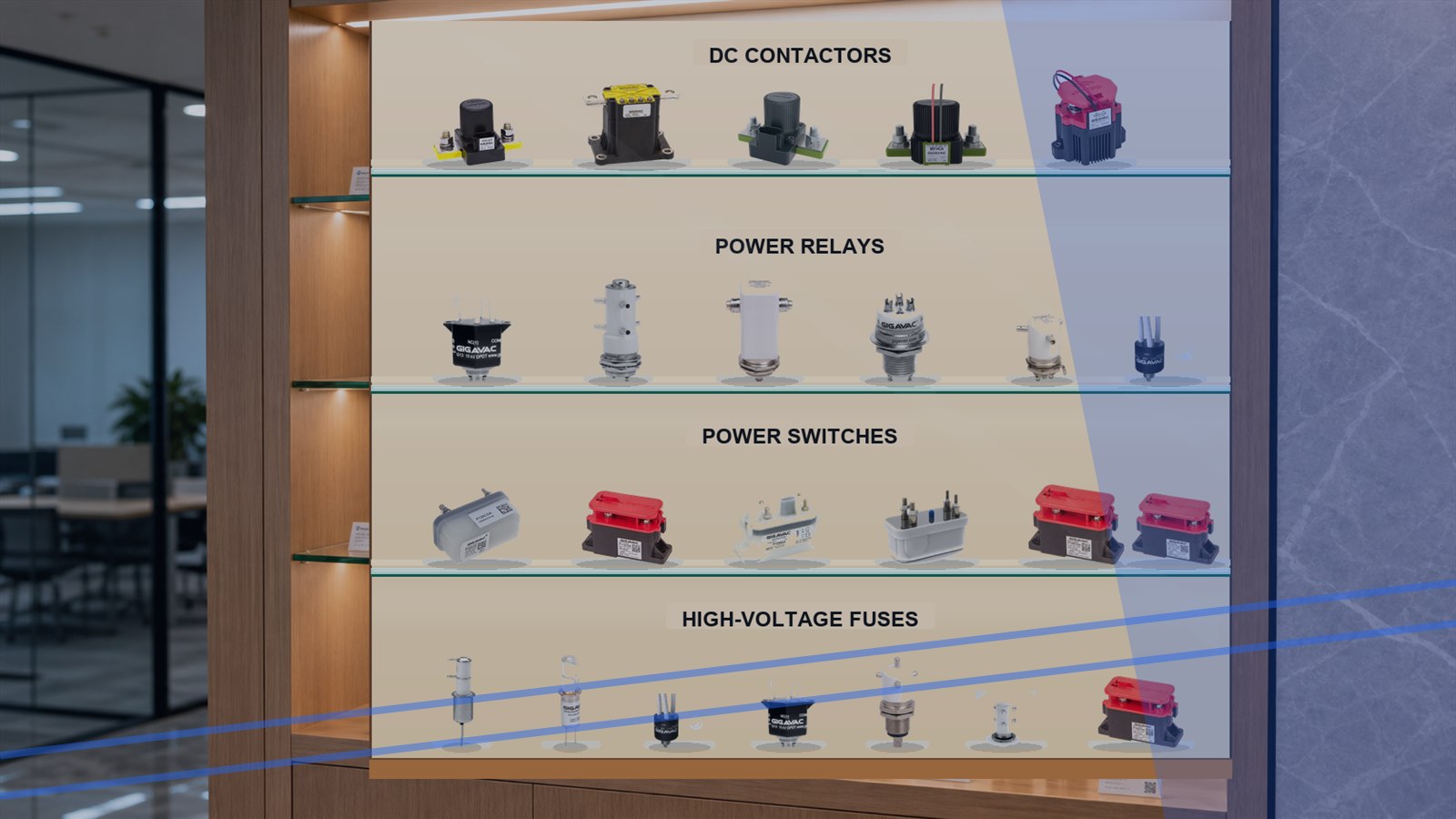
EV, storage and industrial power buyers are planning high-voltage contactor, relay, switch and fuse RFQs earlier to protect build and service timelines.
EV and energy storage buyers are moving high-voltage component planning earlier in the purchasing cycle. The change is practical: build schedules are tighter, replacement stock is more visible, and a single system may need DC contactors, power relays, battery disconnect switches and high-voltage fuses reviewed before the same purchasing deadline.
For sourcing teams, early RFQ planning is less about asking for a longer quotation and more about sending a clearer first request. When voltage class, current rating, coil voltage, contact form, product family, quantity and destination are visible at the start, suppliers can review availability and technical questions with fewer delays.
Mixed high-voltage RFQs need a cleaner first list
Many EV charging, battery storage and industrial DC projects no longer send one isolated part number at a time. A buyer may ask for a high voltage DC contactor for the main power path, a DC power relay for control or isolation, a high-voltage fuse for protection, and a battery disconnect switch for serviceable circuits. Those products may belong to the same purchasing event, but each line needs its own review details.
A useful first list keeps each model, quantity and application note on its own row. If the buyer is unsure of the exact model, the request should still separate product families and state the known requirements. This helps avoid a relay line being reviewed like a contactor line, or a fuse inquiry being priced without the protection role and rating context that affect the answer.
Earlier planning helps protect build and service windows
For new equipment builds, the RFQ often has to support engineering review, purchasing approval and shipment planning at the same time. Missing details can hold the quotation while the buyer confirms coil voltage, auxiliary contact needs, mounting direction, terminal style or preferred product family. These clarifications are normal, but they become costly when they begin after the purchasing deadline is already close.
Service and maintenance buyers face a different pressure. They may need exact part-number supply for installed equipment, or they may need a reviewed alternate candidate when a previous reference is difficult to source. In both cases, sending photos of nameplates, existing model labels, quantities and destination details can shorten the review path before quotation.
Contactors, relays, switches and fuses should stay distinct
A DC contactor request is usually shaped around current, voltage, coil, auxiliary contact and connection details. A high-voltage relay request may focus on contact form, dielectric rating, coil construction, mounting style and package limits. A battery disconnect switch can add questions about current class, service isolation role and installation envelope. A high-voltage fuse line may require rating, activation type, mounting format and accessory requirements.
Keeping these distinctions visible helps procurement and engineering teams compare responses more cleanly. It also gives a power relay supplier or DC contactor sourcing partner enough context to identify where the buyer needs exact model support and where an alternate discussion may be reasonable.
What to include before requesting price and delivery
The strongest high-voltage component RFQs usually include the model reference, product family, requested quantity, target delivery window, destination country and application background. For contactors and relays, buyers should include voltage, current, coil voltage, contact form and auxiliary contact preferences when known. For switches and fuses, buyers should include rating, mounting or package constraints, and whether the request is for production, prototype, repair or spare stock.
It also helps to mark which lines are urgent, which lines are forecast demand, and which lines are still under engineering review. That distinction lets Sorint separate immediate quotation work from planning support without mixing firm purchasing needs and early project estimates.
How Sorint supports early RFQ planning
Sorint supports buyers who need organized sourcing for high-voltage DC contactors, power relays, battery disconnect switches and fuse protection products. Early planning gives both sides a better starting point: the buyer can show what is fixed, what is flexible and what still needs review; Sorint can then focus quotation questions around the actual product role and purchasing timeline.
For EV charging, energy storage, rail, industrial power control and maintenance programs, the practical next step is to send a line-by-line RFQ with available model references and application notes. Sorint can review sourcing direction, availability questions and quotation inputs while the buyer's engineering and quality teams retain final approval for any model, replacement or alternate selection.
FAQ
Why should high-voltage component RFQs start earlier?
Earlier RFQs give buyers more time to confirm ratings, coil options, contact form, quantities, delivery timing and any alternate review before a build or service window becomes urgent.
What details matter most for a high voltage DC contactor request?
Useful details include model reference, voltage, current, coil voltage, auxiliary contact requirement, connection style, quantity, destination country and target delivery window.
Can Sorint review mixed RFQs that include contactors, relays, switches and fuses?
Yes. The clearest approach is to keep each product family on separate RFQ lines so availability, quotation questions and technical review points can be handled without confusion.