
Industry Insights
Fleet Electrification Buyers Are Separating Switching, Precharge and Protection RFQs
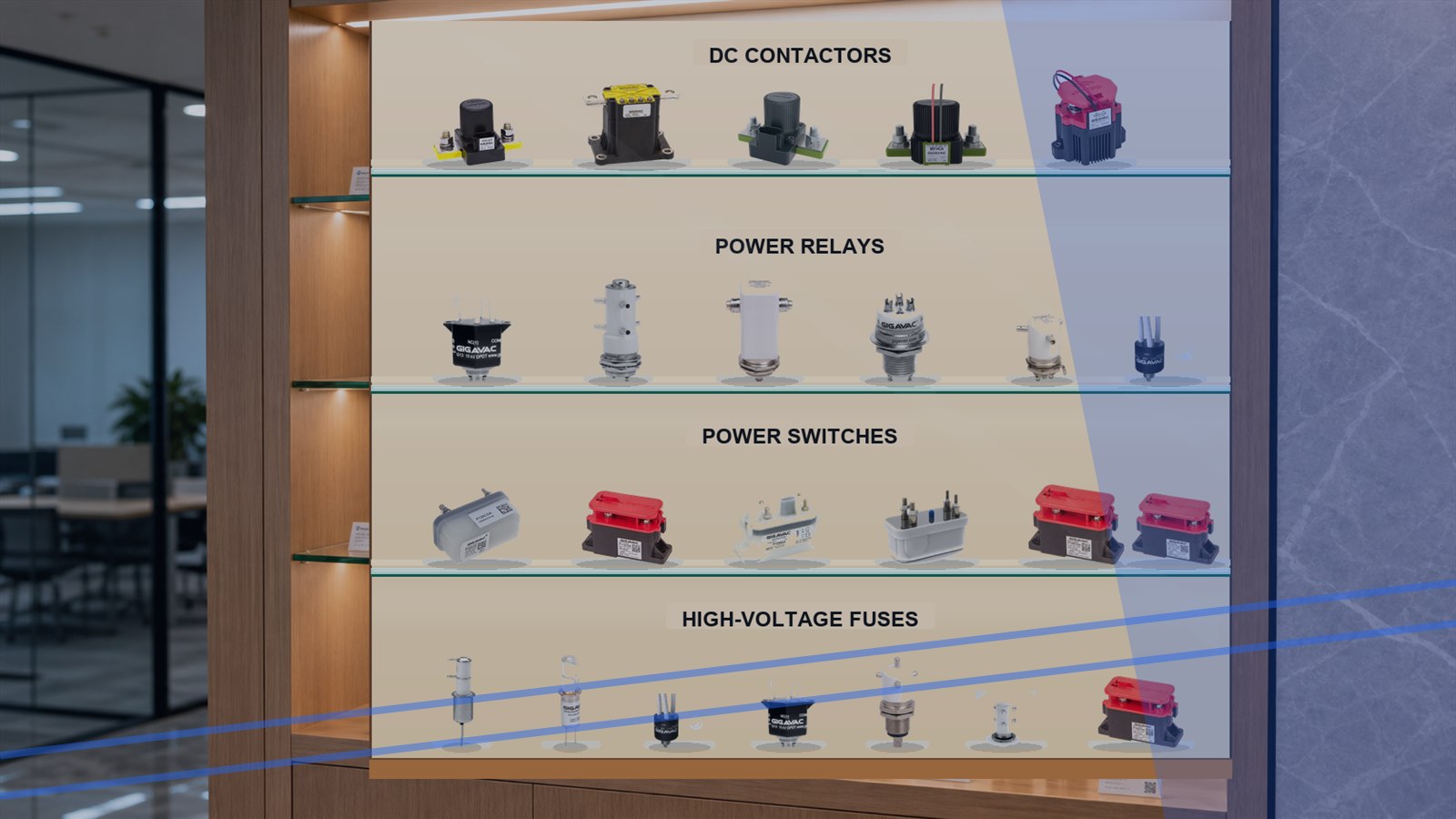
Fleet electrification sourcing is pushing buyers to separate high-voltage DC contactors, relays, disconnect switches and fuse protection in cleaner RFQs.
Fleet electrification programs are moving from small pilot builds into repeat purchasing, regional service stock and multi-site charger support. As the buying lists grow, procurement teams are learning that a high voltage DC contactor inquiry is not the same as a battery disconnect switch, precharge relay or high voltage fuse inquiry. Grouping those line items together may look efficient at the start, but it often slows quotation review when each part has a different electrical role and approval path.
For Sorint buyers, the trend is clear: the strongest RFQs now separate main switching, auxiliary switching, disconnect and protection requirements before price discussion begins. That structure helps suppliers ask better questions, helps engineers compare the right products, and helps purchasing teams avoid late-stage revisions after a project has already chosen a panel layout or service-kit plan.
Why fleet programs are changing the RFQ format
Fleet electrification creates repeated demand across vehicles, chargers, battery systems, depot equipment and maintenance stock. A single request may include EV battery contactors, energy storage contactors, DC power relays, manual disconnect switches and fuse protection components. These parts may all sit inside the wider high-voltage system, but they are reviewed against different switching duties, connection styles, control voltages and replacement expectations.
When the first inquiry only says that a project needs high-voltage parts, the supplier has to rebuild the application context from scattered notes. A cleaner RFQ separates each line by product family, model reference if available, required quantity, destination and target delivery date. That does not replace engineering approval, but it gives the quotation review a much better starting point.
Main switching should stay separate from precharge and support circuits
Main DC switching usually gets the most attention because it can involve high current paths, battery packs, charger output, inverter input or energy storage bus connections. Buyers searching for a high voltage DC contactor or EV battery contactor should identify the expected voltage class, current requirement, coil voltage preference, mounting limits and whether the request is for new design review, repair stock or alternate sourcing.
Precharge and auxiliary control circuits may appear on the same bill of materials, but they should not be treated as simple duplicates of the main contactor request. A DC power relay or power relay supplier discussion may involve contact arrangement, switching voltage, coil termination, dielectric, mounting and control logic. Keeping those notes separate reduces the chance that a buyer compares parts only by headline voltage or brand name.
Disconnect switches and high-voltage fuses need their own review path
Battery disconnect switches and high-voltage fuses are increasingly included in the same purchasing package as contactors and relays. That is useful for sourcing coordination, especially when a buyer wants fewer supplier conversations. The technical review still needs a separate path because disconnect devices and protection devices answer different questions than electrically operated switching parts.
A high voltage fuse inquiry should include the fuse family, current rating, voltage class, package or holder context, and any existing part reference. A battery disconnect switch inquiry should identify the equipment type, manual operation requirements, mounting constraints and service environment. For both groups, buyers should avoid treating a nominally similar part as approved until the project team confirms the application details.
How better RFQ structure improves supplier response quality
Suppliers can respond faster when each line item carries the information needed for first-pass review. For example, a Gigavac contactor request should name the series or full model whenever possible. A Sensata high voltage relay request should include contact form and coil requirements. A fuse or disconnect inquiry should make the mechanical context visible, not just the electrical rating.
This structure also helps purchasing teams compare delivery risk. Some items may be standard stocked references, while others require confirmation, sourcing review or buyer-side engineering approval. When the product groups are separated, the quotation can show which lines are ready for pricing and which lines need additional technical input.
What buyers should send with a combined high-voltage RFQ
A practical combined RFQ should include a project summary, line-item table, model numbers or target specifications, quantities, destination country, preferred delivery window and any existing approval constraints. If the request is for service stock, include the part label or prior purchase record. If the request supports a new design, include the expected operating context and the review fields that engineering already knows.
Sorint can support buyers sourcing contactors, relays, battery disconnect switches and high-voltage fuse components, but the strongest result comes when the RFQ separates what each product must do. That makes the discussion more precise and gives both purchasing and engineering teams a clearer basis for quotation follow-up.
FAQ
Should contactors, relays, switches and fuses be sent in one RFQ?
They can be sent together for sourcing coordination, but each line should identify its own function, model reference, quantity and review requirements.
Is a high voltage DC contactor the same as a DC power relay?
No. The terms can overlap in casual sourcing conversations, but buyers should confirm contact form, ratings, coil details, mounting and application role before comparing parts.
What information helps Sorint review a fleet electrification sourcing request?
Send the product family, complete model number if available, electrical requirements, quantity, destination, delivery target and whether the part is for new design, service stock or alternate sourcing review.